Home › Caregiver Hub › Aging in Place Guides
Aging in Place Guides · How-to
Aging in Place Checklist: Room-by-Room Safety Guide (2026)

Aging in place checklist for a parent who wants to stay at home safely. Entrance, bathroom, bedroom, kitchen, medications and daily routines, room by room.

We may earn a commission when you buy through links on this page, at no extra cost to you. Read our affiliate disclosure.
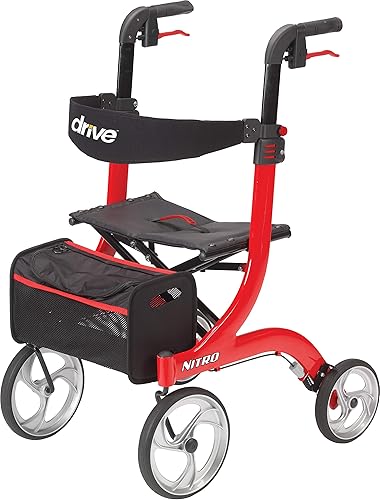
An aging in place checklist helps adult children and parents walk through a home one room at a time and spot the changes that make daily life safer. Three upgrades are often the first to make: a shower chair, such as the Medline Shower Chair with its 350 lb rating; night lights, such as the AUVON 4-pack with motion and dusk-to-dawn sensors; and a rollator, such as the Drive Medical Nitro Euro-Style with its 10 in. front casters.
Walk through the home with your parent and ask which spots feel hard. A physical or occupational therapist can assess it in person.
A safety point first. Plans to stay at home work best when they are based on your parent's own needs. After a fall, or if balance or memory has changed, ask their doctor or a therapist before buying equipment. This checklist is general and does not replace a professional home assessment.
Entrance and stairs
- Light the path to the door, both outside and inside, and keep a switch within reach of the entrance.
- Fit a sturdy handrail on both sides of the stairs if you can.
- Mark the edge of each step with bright, contrasting tape.
- Clear loose mats, cords and shoes from the walkway.
- If your parent uses a cane, check the length using a guide to how to choose cane length.
The Nitro suits a parent who walks outside as well as indoors. The listing gives 10 in. front casters, which it says glide over curbs and rough terrain, and a weight of 17.5 lb.
A rollator rolls, so it is not a standard walker. A physical therapist can advise which walker is safer and set the handle height before first use. See rollator vs wheelchair if walking is becoming harder.
What we like
- 10 in. front casters, which the listing says suit rough terrain and curbs.
- A listed weight of 17.5 lb, and the listing says it folds to fit a trunk or back seat.
- Described by the listing as good for travel and everyday use.
Keep in mind
- Lock both brakes before sitting, since the seat is for resting only.
- The listing gives a 300 lb capacity for the frame; confirm the handle height range there before buying.
Bathroom
- Fit grab bars beside the toilet and inside the shower, screwed into studs rather than tile alone.
- Put a non-slip mat in the tub and at the bath floor.
- Keep a shower seat in the tub or shower so bathing can be done sitting down.
- Check that hot water is not set too high.
- Keep towels, soap and shampoo within easy reach from the seat.
- Consider a shower chair vs transfer bench comparison if stepping over the tub is hard.
The Medline Shower Chair has a 350 lb weight capacity, an aluminum frame and padded arms and back. The listing says it needs no tools to assemble. Ask a physical therapist to check the seat height, which the listing sets so the back of the knees touches the seat's front edge while standing.
What we like
- A 350 lb weight capacity, per the listing.
- Padded arms and back, which the listing says give support and balance.
- Height adjusts in 1 in. steps from 16 to 21 in.
Keep in mind
- The listing says to set all legs to the same height on a level surface.
- Check the slip-resistant feet before each use.
Bedroom
- Set the bed at a height where your parent can sit and stand without strain.
- Keep a clear, lit path from the bed to the bathroom.
- Place a bedside lamp within reach from the bed.
- Keep a clock with a large, clear display in sight. Our best dementia clocks guide compares them.
- Keep a phone or call button on the bedside table.
The AUVON pack has two modes. In AUTO mode, the motion sensor turns the light on in the dark when it detects movement, and turns it off 60 seconds after movement stops, per the listing. In NIGHT mode, the dusk-to-dawn sensor switches it on in the dark and off in daylight.
What we like
- Two modes, motion and dusk to dawn, in one pack of four.
- A soft 2700 K warm white glow, per the listing.
- Leaves the second outlet free, per the listing.
Keep in mind
- Each light needs its own outlet at the spot where it is used.
- The listing says these are not water resistant, so keep them away from the shower.
Kitchen
- Store everyday items between shoulder and knee height.
- Keep a reacher grabber by the door or in a drawer for high or low items.
- Use a stove with an automatic shut-off, or fit knob covers, if cooking is becoming unsafe.
- Keep a clear space beside the sink and the fridge.
Living areas
- Remove throw rugs, or fix them with non-slip backing.
- Keep paths wide enough for a rollator, with no furniture in the way.
- Add a firm seat cushion to the favorite chair so getting up is easier.
- Run lamp and charger cords along walls, not across walkways.
- Keep a phone within reach of the main chair.
Safety and monitoring
- Test smoke and carbon monoxide alarms every month.
- Post an emergency contact list by the phone and on the fridge.
- Agree a daily check-in with family or a neighbor.
- If your parent's doctor asks for home readings, a blood pressure monitor can help track them. Ask which readings to report.
Medications
- Keep one current list of every medicine, dose and time.
- Use a pill organizer filled as the doctor or pharmacist advises.
- Store medicines in a cool, dry place away from the bathroom.
- Ask the pharmacist which medicines can cause dizziness or drowsiness.
Daily routines
- Write a simple weekly plan for meals, appointments, outings and visits.
- Bathe at a time when a helper is nearby.
- Build in short walks with the rollator and a rest on the seat.
- Keep a large wall calendar in view, and mark each appointment.
Frequently asked questions
What is an aging in place checklist?
It is a room-by-room list of changes that make a home safer for an older adult who wants to keep living there. It covers the entrance, bathroom, bedroom, kitchen, medicines and daily routines.
Where should I start?
Start with the bathroom and the entrance and stairs, where changes often make the biggest difference. Grab bars, a shower seat and clear lighting are common first steps.
Is a shower chair better than a transfer bench?
They suit different needs. A chair suits someone who can step over the tub with support, and a bench suits someone who needs help getting in. Read our shower chair vs transfer bench comparison and ask a therapist.
How many night lights do I need?
The AUVON pack includes four. Place them between the bed and the bathroom, on the stairs and in the hallway, using the paths your parent uses at night.
Do I need a professional home assessment?
Not always, but a physical or occupational therapist can assess the home in person and recommend equipment.
Keep reading
- Best pill organizers for seniors
- Best reacher grabbers for seniors
- Rollator vs wheelchair
- Our editorial policy
Emily Carter is the editorial author persona behind Age in Place Picks, covering senior mobility aids, home safety products, and aging-in-place solutions. Articles focus on manufacturer specifications, customer feedback, practical comparisons, and safer purchasing decisions for older adults and their families. Read our editorial policy.
This page is general information, not medical advice. Ask a doctor or physical therapist which product suits you.